Research

Research at the Duke Center for Computational and Digital Health Innovation is designed to achieve our guiding principle: Find, Track, and Treat.
 
We apply our enabling technologies across a broad spectrum of disease areas—from cardiology to neurology and peripheral arterial disease—to improve diagnosis, monitoring, and therapeutic outcomes.

Driving Tech
Guiding Principle
1-9 of 17 results

No results found.

  • Dynamic action shot of youth football players during an outdoor game, showcasing skill and teamwork.

    Development of a Pipeline for Transitioning Wearable and Non-Wearable Data to a Centralized Storage, Analysis and Downstream Applied Research Platform

    The Luck Lab developed an integrated data framework that links youth athletes’ reported activity and exposure with wearable head-impact kinematics to improve the ability…

    Read more

  • Blood flow animation in human body

    Blood Flow Animation

    Read more

  • Nurse wearing VR goggles with animation displayed on screen behind her

    AI-Powered VR Nursing Training

    Read more

  • Genomic simulation

    Three Dimensional Genome Organization Regulated by Active Loop Extrusion

    Read more

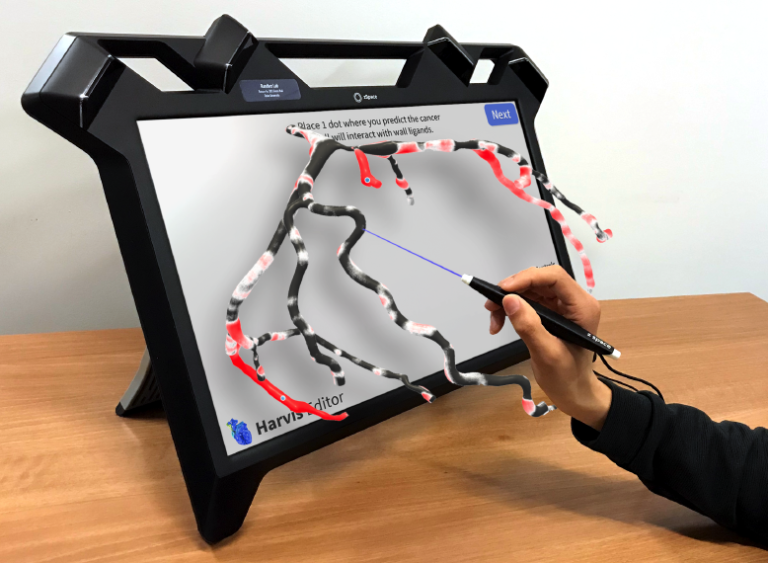
  • Example of Harvis visualization

    Harvis: Extended Reality Interface for Immersive Vascular Visualization

    Read more

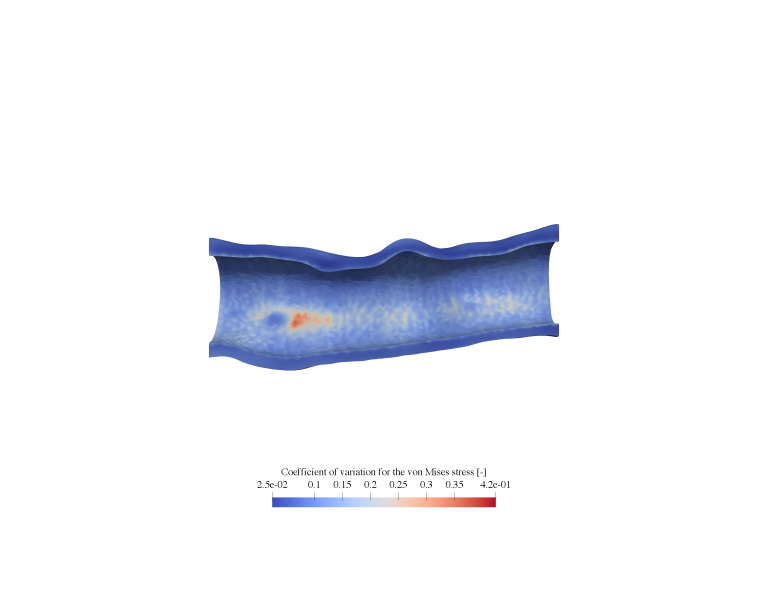
  • Simulation of the mechanical response (stress) in the arterial wall; red regions indicate higher variability

    High-Fidelity Mechanistic-Probabilistic Models of Arterial Tissues

    Read more

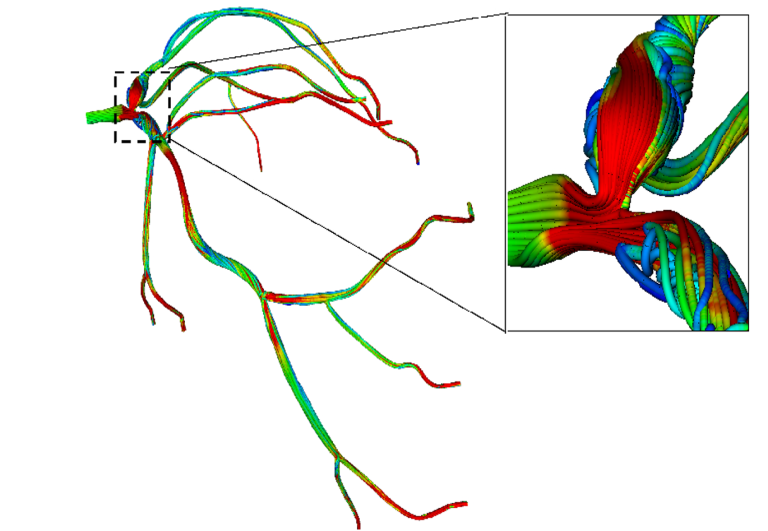
  • Vorticity Image

    Non-Invasive Diagnostics for Coronary Artery Disease

    Read more

  • calabrese hero image

    Non-Invasive Techniques to Evaluate Previously Treated Brain Aneurysms

    Read more

  • Infographic describing the research

    Wearable Infection Detection (WID) [formerly known as CovIdentify]

    Read more